Curtains by Room
Kitchen Curtains in Kenya: Sizes, Privacy, Fabrics and Buying Guide
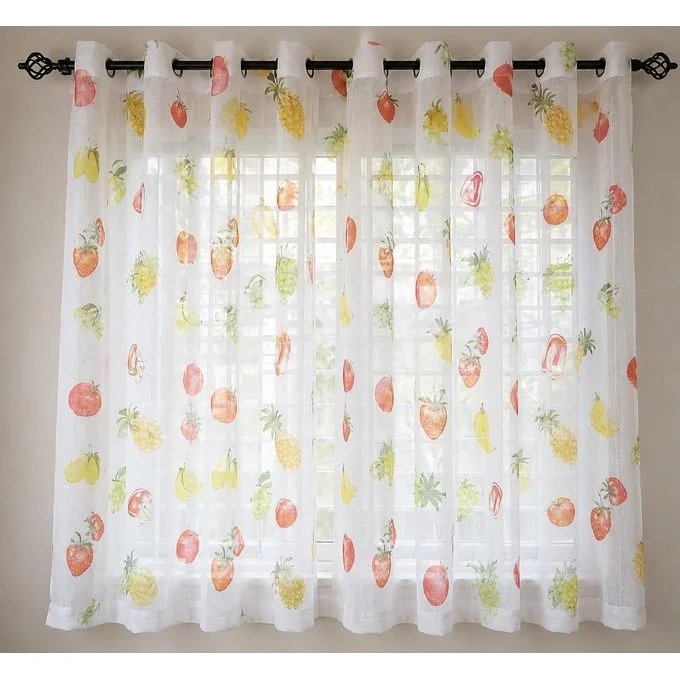
Plan kitchen curtains around the way the room works. Check placement, splash exposure, window access and care before selecting a fabric or ready-made size.
Kitchen curtains in Kenya should be chosen around the location of the window and the way the room is used. A window above a sink has different practical constraints from one beside a dining table. Before choosing a pattern or colour, check what is below the window, how it opens and whether fabric can hang there without interfering with normal kitchen work.
This guide explains how to plan dimensions, privacy, cleaning and fittings for a kitchen curtain order. It is especially useful when a ready-made set looks attractive but you are unsure about its length or placement. Start with the general curtain buying guide, then use the kitchen-specific checks below to prepare a clear enquiry.
Map the window’s surroundings first
Take an overall photograph showing the window and the surfaces around it. Include the sink, tap, worktop, cupboards and any nearby cooking appliance. Note how doors, drawers and window handles move. A close-up of the glass hides these constraints and makes it harder to discuss whether a proposed curtain arrangement is practical.
Keep fabric away from flames, hot surfaces and cooking equipment, following the appliance’s clearance instructions. If a safe and practical curtain position is uncertain, resolve that before buying. Do not treat a shorter curtain as automatically suitable simply because less fabric is involved. Its movement and the surrounding layout still need checking.
Decide what the window treatment must do
Write down whether your main requirement is privacy, reducing direct glare, softening the appearance or controlling the view. These needs may call for different materials and coverage. A window facing a neighbour may need a different arrangement from a private window overlooking an enclosed garden. Describe the actual situation rather than asking for a standard kitchen curtain.
Think about the times of day when the room is used. A fabric that feels private under one lighting condition may not provide the same result at another. Ask what the selected material is intended to do and assess the finished arrangement accordingly. Appearance and privacy should both be included in the brief.
Choose the length around the worktop or sill
For a window over a work surface, establish where the fabric should finish without touching the tap, sink or items routinely placed below it. Measure from the correct hanging point rather than from the top of the glass. Check the intended clearance with the supplier before choosing an available drop or finalising a custom length.
A dining-area window away from the worktop may allow a different length, but floor-level fabric must still suit walking routes and cleaning. Avoid choosing a drop solely from a photograph of another kitchen. The window measurement guide helps distinguish the window dimensions from the finished curtain dimensions.
Consider partial coverage carefully
A café-style arrangement covering part of the window may appeal where you want some privacy while keeping another area open. However, the exact covered portion should respond to the view and sightlines in your room. Stand where the kitchen is normally used and consider what remains visible from outside under the relevant conditions.
Discuss the support, heading and movement for the proposed arrangement rather than assuming a small curtain needs no planning. Partial coverage is an aesthetic and functional choice, not a universal privacy solution. If the remaining uncovered area is a problem, compare another layout before purchasing fabric or fittings.
Compare fabrics against the cleaning routine
Ask for the actual fibre composition and care instructions of each option. Kitchens can expose furnishings to splashes and cooking residue, so the permitted cleaning method matters. Do not assume that a fabric described as easy-care tolerates every wash cycle, cleaning product or drying method. The specific finish and lining may change the instructions.
Consider whether you can remove and rehang the panels conveniently. If access requires moving appliances or reaching awkwardly over a worktop, discuss the fitting layout before installation. Keep product instructions with the order record. A manageable cleaning routine is part of suitability, not an afterthought once the curtains have been fitted.
Keep sheers and main curtains functionally distinct
A sheer can provide a softer window appearance and filtered daylight, but it should not be assumed to provide complete privacy in every lighting condition. If you also need a main layer, identify what each layer will do and how both will operate. Extra fabric and fittings can be inconvenient in a restricted kitchen window area.
Read the sheer curtain guide and assess the available space. A layered arrangement that works in a large living room may be excessive beside a tap or cupboard. Choose the simplest arrangement that meets the actual brief and confirm the practical details before adding decorative elements.
Ask whether blackout is necessary
Not every kitchen needs a blackout curtain. The requirement may be privacy or control of direct light during a particular part of the day. If stronger light blocking is needed, ask whether the selected material and its care instructions suit the location. A blackout label does not establish resistance to splashes, heat or cooking residue.
The light-control comparison explains the terminology. Keep the functional specification separate from the kitchen placement assessment. If the window is beside a dining or multipurpose area, describe those uses too so that the proposed curtain can be discussed in the context of the whole room.
Compare curtains with an appropriate blind
Some kitchen layouts may make a blind worth considering, particularly where gathered fabric would interfere with a work surface or access. That is a comparison to discuss, not a blanket recommendation for every kitchen. The blind material, operating system and cleaning requirements still need to be suitable for the specific window.
Our curtains versus blinds guide helps organise the decision. Compare privacy, movement, care and complete installed cost against the same brief. Do not assume that all blinds are washable or that one material can be used equally close to every source of moisture or heat.
Choose colour with cabinets and surfaces in view
Kitchens often contain strong permanent finishes: cabinet doors, worktops, wall tiles and flooring. Compare curtain samples against these before coordinating small accessories. A patterned fabric may connect several colours, while a plain option can simplify a busy room. Decide whether the window should add another feature or quietly support the existing finishes.
The neutral curtain guide and green curtain guide offer colour-specific comparisons. Use them for appearance while retaining the kitchen’s practical requirements. Do not choose a fabric that is difficult to maintain simply because its pattern matches the tiles particularly well.
Check pattern scale and panel division
A large pattern can look different on a short kitchen panel than on a full-length living-room curtain. Ask to see enough of the design to understand the repeat and how it may be positioned. If two panels meet at the centre, discuss whether pattern alignment is part of the proposed finish and how it affects the quantity required.
For a custom order, let the maker confirm the fabric planning rather than using the window width alone. Our fabric quantity guide explains why construction details matter. Record the chosen fabric reference so that a similar-looking pattern is not substituted without discussion.
Inspect the heading and support arrangement
Confirm how the panels attach and whether the existing support is compatible. A short curtain still needs suitable fittings and secure mounting. Check that the fabric can move without catching on handles or shelves, and that the window can be opened as intended. If fittings are loose or the mounting surface is uncertain, arrange appropriate assessment.
The rod and track guide explains the broad choices. Ask for any new hooks, rings, brackets or other components to be identified in the quotation. A low panel price is not the whole cost if several additional items are needed to make the arrangement usable.
Compare ready-made sizes with a custom option
For a ready-made set, check each panel’s finished width and drop, the quantity supplied and the heading. A product photograph may show a wider window or a different number of pieces. Confirm the dimensions directly and ask about any proposed alteration before accepting the option as suitable for your kitchen.
Use the ready-made buying guide as a checklist. If available sizes do not provide the required clearance or coverage, discuss a custom alternative. Keep the same fabric and functional requirements where possible so you can understand what the change in price actually represents.
Request a complete kitchen curtain quotation
Include the room photographs, labelled measurements, preferred length, colour and required privacy in your enquiry. State whether the curtain is near a sink or worktop and identify existing fittings. Ask for the selected fabric, panel quantity, heading and any lining to be recorded, with alterations, hardware, fitting and delivery clarified separately.
The curtain price guide explains the general cost factors. Do not apply the ready-made blackout examples from another article to an unspecified kitchen order. Ask for the current price of the exact kitchen option and compare the complete proposed arrangement before deciding.
Review the fitted curtain during normal use
After fitting, open the window, move the panels and check the intended clearance around the work area. Inspect whether the fabric interferes with handles, cupboard movement or the sink. Compare the supplied dimensions and quantity with the approved record. Raise any mismatch with the supplier before making further alterations.
Keep the care information accessible and follow the cleaning instructions for the actual product. If the layout changes later, reassess the curtain’s position rather than assuming it remains suitable beside a newly installed appliance or rearranged worktop. Practical placement should remain part of the curtain’s everyday use.
Discuss kitchen curtain options with Curtains Kenya
Contact Curtains Kenya with the window details and preferred style to confirm available materials and sizes. A clear photograph of the whole kitchen window area is especially useful. Explain your privacy and maintenance requirements so that the conversation can focus on options suited to the location.
Curtains Kenya has a physical store in Nairobi; confirm directions, opening hours and viewing arrangements before travelling. Customers in other cities and towns can arrange delivery using their preferred courier service, with charges and dispatch details confirmed for the order. Discuss measurement or fitting needs separately rather than assuming they are included in delivery.
Before ordering, review the plan with anyone who regularly uses the kitchen. Confirm that the chosen length leaves the agreed work area clear and that the panels can be handled without reaching across an unsuitable space. Write down any remaining questions about fabric care or fitting compatibility. Resolving those details before purchase is more useful than choosing a standard set and hoping it will adapt to the room. Retain the final measurements and material reference for future replacement discussions.
Helpful answers
Frequently asked questions
What curtains are suitable for a kitchen?
Choose according to the window’s position, privacy needs, cleaning routine and proximity to water or heat. Confirm the selected fabric’s suitability and keep curtains clear of cooking appliances and other heat sources. A decorative fabric is not automatically suitable for every kitchen window.
Should kitchen curtains be short or floor length?
The layout determines the practical choice. A window over a worktop or sink needs a different arrangement from a dining-area window away from those surfaces. Check clearance for taps, handles, cupboards and walking routes before deciding the finished drop.
Can I use blackout curtains in a kitchen?
Consider whether blackout performance is actually needed and whether the selected construction suits the window’s conditions. Privacy or filtered daylight may be the main requirement instead. Check care, placement and movement separately rather than choosing solely by a light-control label.
Are kitchen curtains washable?
That depends on the specific material, finish and lining. Request the care instructions before buying and do not assume every kitchen curtain can be machine washed. Confirm any shrinkage guidance and discuss final dimensions with the maker where washing may affect the finished size.
How do I order kitchen curtains from Curtains Kenya?
Send labelled measurements and photographs showing the window, sink, worktop and nearby appliances. Confirm current options and pricing with the team. Nairobi customers can discuss store viewing arrangements; customers in other cities and towns can arrange delivery through their preferred courier.