
Curtain Styles & Trends
Green Curtains in Kenya: Sage, Olive and Emerald Buying Guide
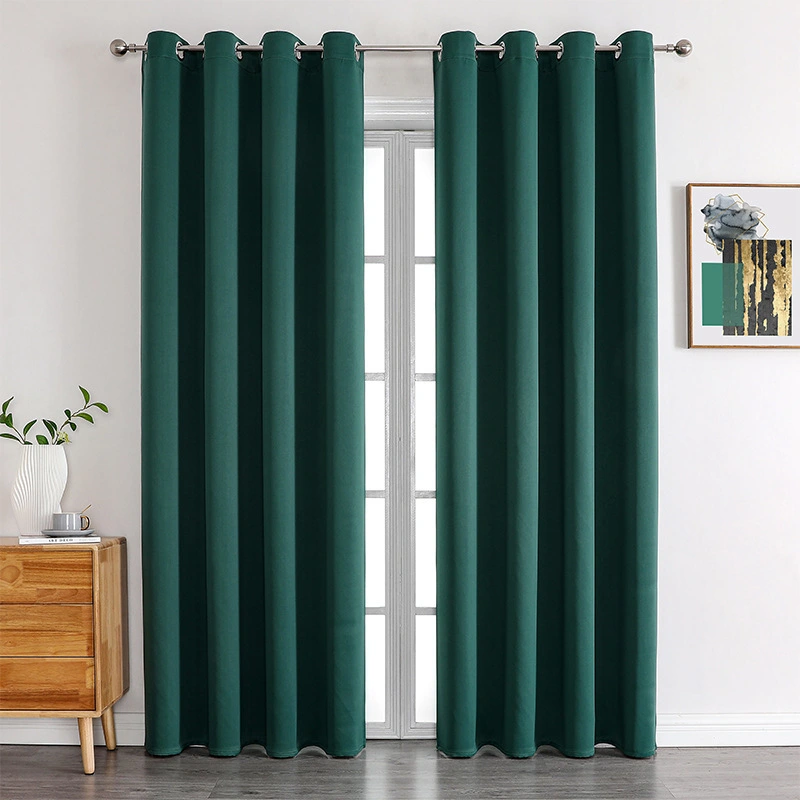
Green curtains can be a quiet background or a strong room feature. Compare sage, olive and emerald shades with your furnishings, then specify fabric, fit and privacy.
Green curtains in Kenya can suit many different interiors, from a quiet sage accent to a deep emerald window feature. The challenge is choosing the actual shade and fabric that work with your room. A colour name does not tell you how the curtain will look across a broad window, whether it provides the privacy you need or what the complete order will cost.
This guide covers green as a curtain colour, including sage, olive and emerald directions. It is not a guide to a business called Sage. Use it alongside our curtain buying guide to connect your colour choice with measurements, fabric construction, headings and a practical quotation.
Decide how much green you want in the room
Start with the size of the window treatment. Green across a full wall makes a different contribution from a narrow pair of panels beside a small opening. Look at the room from its entrance and main seating position. Decide whether the curtains should carry the colour scheme or simply repeat a green already present in a rug, cushion or artwork.
If you are unsure, keep the rest of the room in view while comparing samples. Do not assess the curtain in isolation and then try to make everything else match it. The main furniture and permanent finishes provide a useful starting point. Smaller accessories can be adjusted later if you want a more deliberate connection between the window and the rest of the room.
Understand sage as a colour direction
Sage is commonly used to describe a softer, muted green, but different sellers may use the name for different shades. One sample may look greyer, another warmer or more yellow. Ask for the exact fabric reference and compare the actual cloth. A written instruction saying sage green is not precise enough when a close colour match matters.
For a restrained interior, compare the sample beside pale walls, timber and the sofa fabric. Look at whether it feels harmonious under the lighting you normally use. If the room contains several cool greys, check that the chosen green does not look unexpectedly warm beside them. Your preference should guide the decision rather than a rule that one named shade suits every neutral room.
Compare olive with warm and earthy finishes
Olive can be a useful direction when you want green to relate to warmer finishes, but its depth and undertone still need checking. Compare the material with timber, cream, brown or other colours already in the room. Avoid relying on a digital swatch that may look different on another screen or under another light.
A darker olive across a large opening may become a strong visual element. If you want a lighter effect, compare a softer tone or a different texture before deciding. Keep the functional requirements unchanged during this comparison, so a colour adjustment does not accidentally change the privacy level or fabric construction you originally needed.
Choose emerald as a deliberate feature
Emerald is often used for richer green shades. If you want that effect, decide which other part of the room will support it. A restrained wall and rug may allow the curtains to take more attention, while several strong colours together require more deliberate coordination. Compare the fabric at a useful scale whenever viewing arrangements allow.
Texture matters as much as the shade name. A smooth cloth and a pile fabric can present the same colour differently. Ask how the selected material is meant to hang and be cared for. Avoid choosing a fabric solely because one photograph makes it look luxurious; the actual weave, finish and lighting will shape its appearance in your home.
Match green to grey sofas thoughtfully
Green and grey can be combined in many ways, but neither word identifies a single colour. Bring a sofa fabric reference or a clear photograph as a starting point, then compare material samples where possible. Include the floor and wall in the decision. A green that works with the sofa alone may feel disconnected from the room as a whole.
Our grey-sofa curtain colour guide offers broader options. Use it to identify the effect you want, then narrow the green shortlist. If two samples both work, compare their care, privacy and price against the same window specification rather than making the final decision from colour alone.
Use pattern only when it adds something useful
You do not have to choose plain green curtains, but a pattern introduces additional decisions. Check its scale, repeat and relationship to existing patterned items. A small fabric piece may not show the full design, so ask to view enough of the pattern to understand how it will look across a panel and at the centre join.
If you want to combine green with another colour or pattern, consult our mix-and-match colour guide. Keep this separate from the question of whether the fabric meets your window requirements. Pattern matching may affect fabric planning, so ask the maker to confirm quantities rather than applying a simple width calculation to every design.
Choose the function before judging fabric weight
Green curtains may be decorative, light-filtering or part of a blackout arrangement. Ask what the exact material provides and whether a separate lining is proposed. The colour’s depth is not a reliable measure of light control. A dark green fabric may allow light through, while a lighter face fabric can be combined with another construction.
Read the blackout and room-darkening comparison and blackout selection guide if darkness is part of the brief. Describe when you use the room and where light is a problem. This lets the conversation address both the fabric and the coverage rather than treating a dark shade as the solution.
Plan green curtains for living spaces
In a living room, consider how the green looks with the panels both open and closed. When open, the fabric is gathered into a smaller area; when closed, it may become a large block of colour. Check the space beside the window where those panels will sit, especially if a balcony door or furniture limits movement.
Our living room guide and wide-window planning guide help with the layout. For a layered arrangement, decide whether the inner layer should be a simple neutral or another related shade. Check that the two layers have compatible fittings and can operate independently.
Keep bedroom requirements explicit
A green bedroom scheme can be chosen for appearance, but the curtain order still needs a privacy and light-control brief. Record the times when you want the curtains closed and any existing edge gaps. Ask how the proposed panel widths, drop and fitting position address those needs. Do not substitute an aesthetic description for a functional specification.
The bedroom blackout guide explains the relevant checks. You may choose the same green in a bedroom and a living room while specifying different layers or headings. Record those differences window by window so the supplier does not assume every room requires an identical curtain arrangement.
Compare green with a neutral alternative
If you are undecided about using green across the whole window, compare it with a beige or white option while keeping the rest of the brief the same. Look at the room from a distance and consider which choice gives the balance you want. You can still use green in smaller furnishings if a neutral curtain suits the space better.
Our beige and white curtain guide provides that alternative. This comparison is about your room preference, not a rule that neutral curtains are safer or more valuable. The useful outcome is a deliberate colour choice that works with the amount of fabric the window actually needs.
Resolve measurements and headings before ordering
Measure the fitting span and intended drop using agreed reference points. Check whether a ready-made option includes one panel or a pair and confirm the dimensions of each piece. If you need custom work, identify the selected fabric and heading before final quantities are calculated. A wide window may require a different panel arrangement from a narrower one.
Use the measuring guide and heading comparison. Explain whether existing fittings will be reused and provide photographs if needed. Confirm any required alteration or hardware change before deciding that an available green curtain is the right fit simply because you like its colour.
Compare costs and care using the exact fabric
Ask for a quotation that names the fabric reference, finished dimensions, panel count, heading and lining. Clarify any accessories, fitting or delivery charges. Green is not a standard price band: the material and amount of work determine the proposed order. The general price guide helps explain the cost questions.
Request the specific care instructions at the same time. Do not assume that different green fabrics can be washed or ironed in the same way. Keep the instructions with the reference and order details. If you want matching curtains later, confirm availability at that time rather than assuming the same shade and batch will remain available indefinitely.
Prepare a concise green-curtain brief
Describe the preferred direction—muted sage, warmer olive, richer emerald or another green—then attach the room photographs and measurements. State the room’s light-control needs, preferred heading and any existing fittings. Ask which current materials can meet the brief and how they can be viewed. This gives the team something more useful than a request for green curtains without dimensions.
Contact Curtains Kenya to discuss options and Nairobi store viewing arrangements. Confirm directions and current opening hours before travelling. For other cities and towns, delivery is arranged through the customer’s preferred courier service, with charges and dispatch details agreed for the order. Keep the approved shade reference and window specification together so the final selection is clear to everyone involved.
A practical green shortlist exercise
For an illustrative comparison, imagine a room with a grey sofa, cream walls and warm timber furniture. Place a muted green, a warmer olive and a deeper green on the shortlist. For each, write one sentence about the relationship you like: perhaps one connects with the sofa, another with the timber and another creates the stronger contrast you wanted. There is no need to choose from the names alone.
Next, compare the same options against privacy, care and budget requirements. Remove any that cannot meet the practical brief or ask whether a different construction is available. This exercise is not a customer case study or a statement of current stock. It is a way to turn a broad colour preference into a manageable selection, with reasons you can explain when requesting a quotation or discussing the order with another household member.
Helpful answers
Frequently asked questions
Which shade of green is best for curtains?
There is no single best shade for every room. Compare sage, olive, emerald or other greens beside the actual walls, floor and furniture. Decide whether the curtains should blend with the room or become a stronger feature, and inspect the selected material rather than a colour name alone.
Can green curtains be blackout curtains?
Yes, a green face fabric can be used in a blackout construction or lined arrangement. Confirm the specific material’s light-control properties and discuss the finished coverage. A deep green colour does not by itself establish blackout performance or guarantee that light will not enter around the edges.
Do sage green curtains match grey furniture?
They can, depending on the undertones of both materials and the surrounding finishes. Compare the actual fabrics in daylight and evening lighting. This guide uses sage as a colour description, not as a reference to a particular curtain business.
How much do green curtains cost in Kenya?
Prices depend on the selected fabric, finished dimensions, panel quantity, heading and additional work. Request an itemised quotation and confirm current availability. Ask separately about lining, sheers, fittings, alterations, installation and delivery instead of treating colour as a price category.
Can I order green curtains for delivery outside Nairobi?
Contact Curtains Kenya with your measurements, preferred shade and location to confirm available options. The business has a physical store in Nairobi and arranges delivery to other cities and towns through the customer’s preferred courier service, with charges and dispatch details agreed for the order.

