
Curtain Buying Guides
Thermal Curtains in Kenya: Heat Control, Fit and Buying Guide
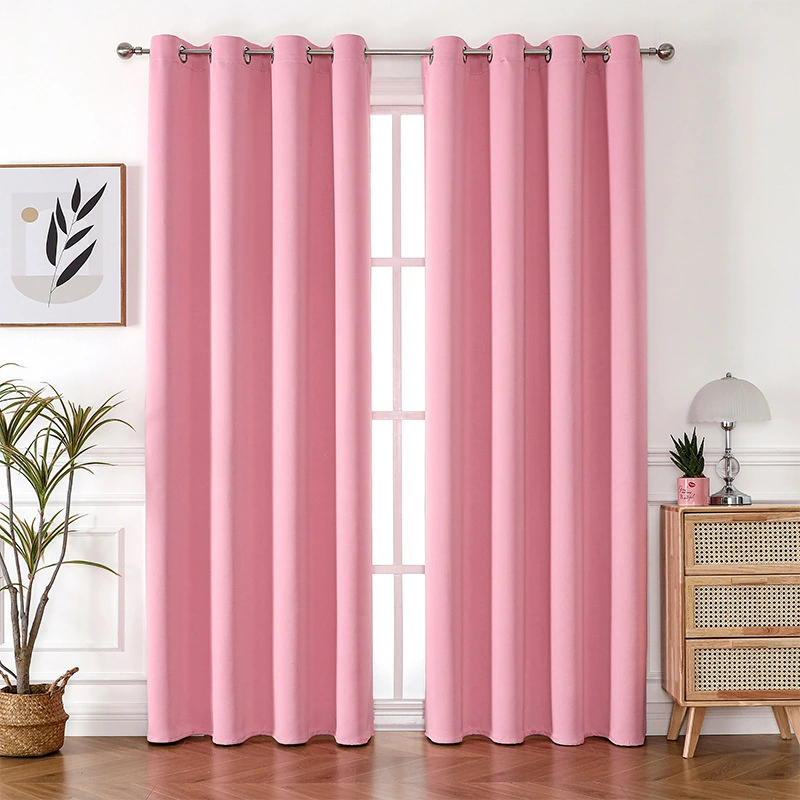
Thermal curtain claims need to be matched to your window and room conditions. Learn what to ask about construction, coverage, everyday operation and product evidence.
Thermal curtains in Kenya are worth discussing when a window contributes to an uncomfortable room, but the term thermal needs a clear explanation. One buyer may want less afternoon sun entering a living room, while another is concerned about a cool feeling beside a bedroom window. The same vague request for thick curtains does not describe those two needs adequately.
This guide explains how to prepare a useful enquiry, compare a product’s claims and plan the complete fitted arrangement. It does not promise a particular temperature change or energy saving. Contact Curtains Kenya to confirm available materials and supporting information for your project before treating a general thermal-curtain description as a confirmed product specification.
Describe the room’s problem before choosing fabric
Record which room is affected, when the discomfort occurs and where people notice it. Explain whether direct sun reaches a seating area, whether the room feels uncomfortable near the window after dark or whether air movement appears to come through gaps. These observations help separate different issues before a supplier suggests a fabric or lining.
Take photographs showing the window, surrounding wall and nearby furniture. Include the existing curtains or blinds and note how they are normally used. Do not assume every uncomfortable room has the same cause. A curtain enquiry can begin with observations, while an appropriate building professional may be needed if the underlying problem requires a broader assessment.
Understand what a thermal claim is meant to describe
Ask the supplier what the word thermal means for the exact product. Does the information describe a material, a lining, a complete curtain or a particular fitted system? Request the reference and any supporting test or technical information. A broad promotional label is less useful than a specification tied to the arrangement being quoted.
Keep the claimed result separate from the visual appearance. A textured or heavy-looking fabric does not identify its measured performance. If a numerical claim is offered, ask what was measured and under which conditions. Do not transfer a figure from another product, climate or installation to your own room without an appropriate basis.
Separate thermal performance from blackout performance
Blackout concerns light control, while a thermal claim concerns heat-related behaviour. A product may be intended to serve both purposes, but the two should be confirmed independently. Ask what evidence or product information supports each requirement and whether a separate lining or additional layer is proposed.
Our blackout versus room-darkening guide explains the light-control terminology. If your bedroom also needs darkness, use the bedroom buying guide to discuss coverage. Do not allow a blackout label to become an assumed promise about room temperature or heating and cooling costs.
Consider the timing of unwanted sun
If direct sun is the main concern, note when it reaches the window and when the room is occupied. This gives the discussion a practical basis for how the covering will be operated. A curtain that is left open during the period you want to control cannot be assessed in the same way as one used according to an agreed plan.
ENERGY STAR’s window-covering advice describes closing shades or drapes to limit unwanted sun in warm conditions and using available solar warmth when appropriate in cold conditions. That is general operating guidance, not a Kenyan product guarantee or a fixed savings estimate for your home.
Compare window coverings with the wider room
A curtain is one part of the room and building. Ask whether the window, surrounding construction or another feature also needs attention. If the concern involves draughts, damaged fittings or another building issue, discuss that separately with an appropriate professional. Buying a new decorative layer should not conceal an unresolved maintenance problem.
ENERGY STAR’s building guidance also discusses external shading and other measures for managing solar heat before it enters. The relevant choice for your property needs assessment; this guide does not prescribe a construction change or imply that curtains replace every other measure.
Ask about the complete fabric and lining construction
Request the face-fabric reference, any lining and the way the proposed curtain will be made. If a separate thermal lining is suggested, ask what information supports its intended function and how it affects the finished panel. Keep the material details attached to the quotation so that the supplied construction can be checked later.
Our curtain lining guide explains general alteration questions, although thermal and blackout purposes must remain distinct. For an existing curtain, have the maker assess suitability before adding material. A lining proposal should also address the existing dimensions, heading, support and care instructions.
Review coverage and the fitting layout
Ask how the intended width, drop, centre join and side arrangement relate to the product’s stated use. The fitted curtain is more than a flat fabric sample. If a performance claim relies on a defined installation, obtain those details before selecting dimensions or reusing existing fittings.
Use the measurement guide to prepare the initial room record. Label provisional measurements and let the responsible maker or installer confirm final dimensions. Do not copy a generic overlap or clearance from an unrelated product and assume it reproduces the same performance in your window.
Preserve normal access and ventilation
Check that the proposed curtain position allows the window and nearby doors to operate as intended. Keep relevant vents and equipment clear according to their instructions. Discuss any conflict between the proposed fabric coverage and the way the room is ventilated or maintained rather than treating more enclosed fabric as automatically better.
If you notice persistent moisture or another condition around the window, seek appropriate advice on the underlying cause. Do not assume that adding a heavier curtain resolves it. The practical brief should include access for inspection and cleaning so that the window area remains manageable after the curtain is fitted.
Choose a routine that occupants can use
Think through when the curtains will be opened, partly closed or fully closed. The preferred routine may differ between rooms and seasons. Write the intended use in plain language so the product discussion is linked to everyday behaviour rather than a performance claim considered in isolation.
For a room that also needs daylight and privacy, consider whether another layer is useful. Our layering guide explains the general layout questions. Confirm that both layers move independently and that their care and fittings suit the room. Do not add layers simply to make the order sound more technical.
Keep colour and thermal evidence separate
You may prefer white, beige, green or a darker fabric for the room’s appearance. Ask how that selection relates to the actual construction and any performance information supplied. A face colour alone should not be used as a complete thermal specification, especially when a lining or other surface forms part of the proposed system.
Compare your palette using the neutral curtain guide or green curtain guide. Record the approved material reference rather than only a colour name. This helps prevent a visually similar substitute from being treated as technically equivalent without confirmation.
Check support for the finished panels
If the proposal adds fabric or lining, ask whether the rod or track and its fixings are suitable for the complete curtain. Check the condition of existing components before deciding to reuse them. The final panel weight, support span and attachment arrangement need to be considered together.
The hardware guide and heavy-curtain guide explain related planning questions. If powered operation is being considered, the motorized curtain guide covers system compatibility. Powered movement does not itself establish thermal performance, so keep those specifications separate.
Read performance numbers with their conditions
When a quotation includes a percentage saving or temperature claim, request the supporting source and ask how it applies to your situation. Identify the tested product, window arrangement, operating conditions and the baseline used for comparison. A number without that context may be unsuitable for predicting the result in a different home.
For an important performance requirement, ask an appropriately qualified adviser to assess the proposed solution. Do not set a household budget on an unverified promise of lower bills. The useful buying outcome is a documented product and a realistic explanation of its role, with uncertainty acknowledged where the room-specific result has not been established.
Compare the complete quotation
Ask for the fabric, lining, finished dimensions, panel quantity and heading to be identified. Clarify any hardware, alteration, measurement, installation and delivery charges. A fabric-only amount cannot be compared directly with a complete fitted system. If evidence or specialist assessment is part of the proposal, state whether that service is included.
Our general curtain price guide explains the wider cost factors. If the budget changes, request a revised specification showing what has been removed or substituted. Do not assume a lower total preserves the same construction and supporting information as the original proposal.
Confirm care and future alterations
Request cleaning and handling instructions for the complete curtain, including any functional lining or coating. Ask whether alterations or replacement layers require further assessment. A care method suitable for the decorative face fabric may not be appropriate for the finished construction.
Keep the instructions with the material reference and quotation. If the curtain is later moved to another window, reassess fit and intended use rather than assuming the original expectations carry across automatically. A different opening, room routine or support arrangement can change the practical suitability of the same panels.
Use a room record to review the result
Before installation, write a short record of the problem and normal curtain routine. After fitting, check the supplied specification and whether the panels operate as intended. If you compare comfort observations over time, note changes in weather, occupancy and window use rather than attributing every difference to the curtain alone.
This is not a substitute for a controlled test where a technical result has been promised. It is a practical way to keep questions specific. If the expected outcome is not achieved, discuss the observations and the approved specification with the responsible supplier rather than changing layers or fittings without guidance.
Prepare a thermal curtain enquiry
Send Curtains Kenya photographs, approximate dimensions and a description of when the room becomes uncomfortable. Explain whether you also need privacy, blackout performance or a particular colour. Ask which materials and supporting information can currently be confirmed for those requirements before approving a thermal-labelled product.
The business has a physical store in Nairobi; contact the team for directions, current hours and viewing arrangements. For other cities and towns, delivery can be arranged through the customer’s preferred courier, with charges and dispatch details confirmed. Discuss specialist assessment or fitting separately rather than assuming they are included in a delivery order.
Helpful answers
Frequently asked questions
Are thermal curtains the same as blackout curtains?
No. Thermal and blackout describe different performance objectives. A product may address both, but neither label proves the other. Ask for the light-control and thermal information for the exact material and complete fitted arrangement proposed for your window.
Will thermal curtains keep a room cool in Kenya?
A suitable window covering can be part of managing unwanted sun through a window, but the result depends on the product, fit, room and how it is used. Do not assume a fixed temperature reduction or electricity saving without evidence relevant to your particular conditions.
Do heavy curtains automatically have thermal performance?
Weight alone is not a thermal specification. Ask about the complete construction and any supporting test information. Compare the proposed lining, dimensions and fitting arrangement rather than treating thickness, face colour or a heavy appearance as proof of a particular result.
Can I add thermal lining to existing curtains?
Ask the maker to assess the existing fabric, heading, dimensions and fittings first. Confirm the proposed lining’s purpose, supporting information and care requirements. Compare the full alteration cost with a replacement option, and check whether the existing coverage is suitable before adding another layer.
Does Curtains Kenya supply thermal curtains?
Contact Curtains Kenya to confirm suitable available materials and any supporting performance information for your project. This guide does not promise a stocked thermal system. Send room photographs, measurements and a description of the comfort problem, then confirm the complete quotation and delivery or fitting arrangements.