
Curtain Buying Guides
Custom-Made Curtains in Nairobi: A Complete Guide
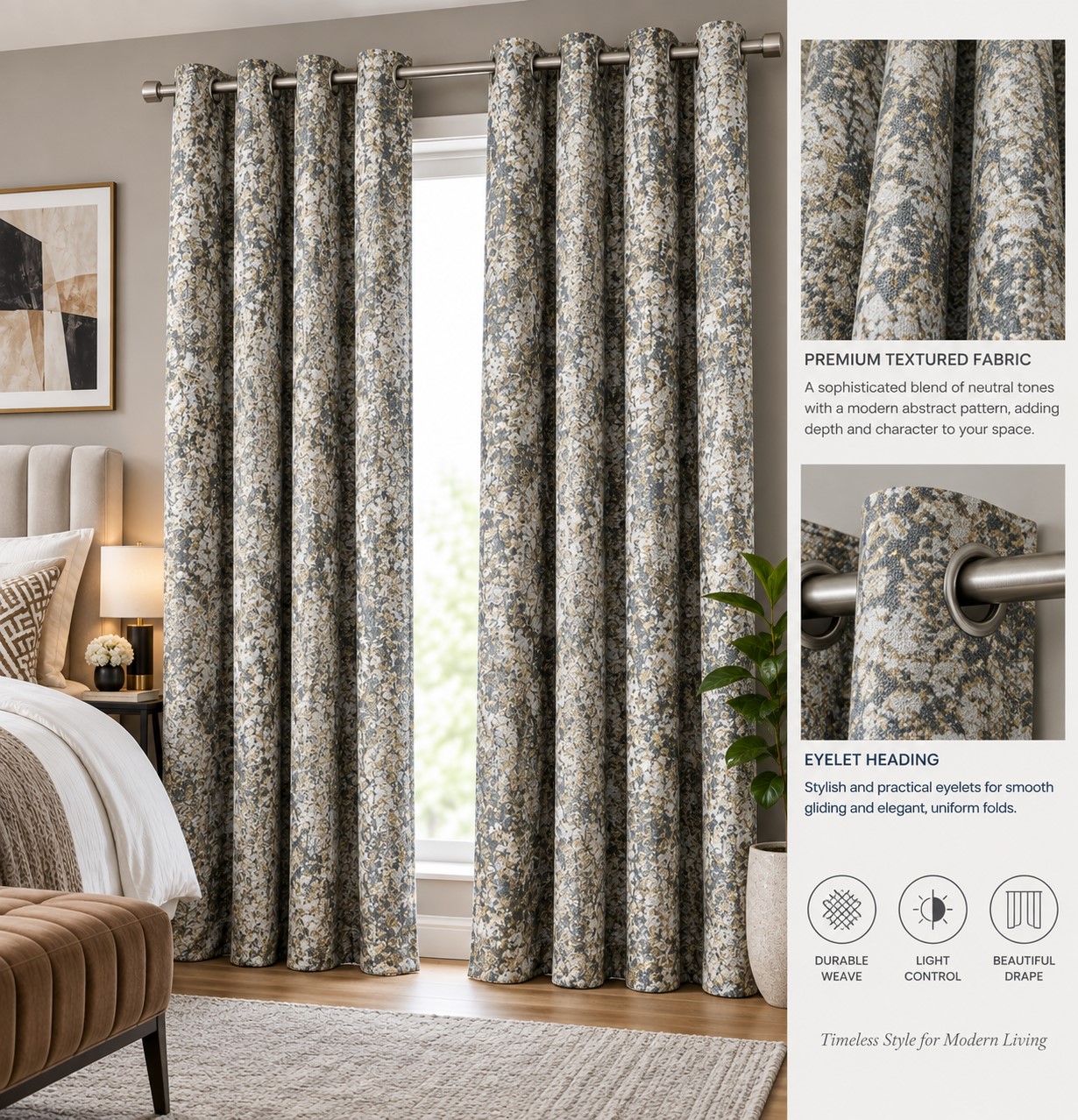
Planning custom curtains in Nairobi? Learn how to measure windows, choose fabrics, compare ready-made and made-to-measure options, select headings and arrange fitting in Kenya.
What are custom-made curtains?
Custom-made curtains are cut and sewn for your exact window measurements, preferred fullness, fabric and heading style. For homeowners, offices, hotels and Airbnbs, this made-to-measure approach gives better coverage and a more considered finish than choosing a standard size from a shelf.
If you are searching for custom curtains Nairobi, the most important answer is simple: custom curtains are usually the better choice when your windows are wide, unusually shaped, close to the ceiling, or need specific light control. They also make sense when you want a particular fabric, colour, drop or combination of curtains and sheers.
Why choose custom curtains in Nairobi?
Nairobi homes and offices have very different window proportions. Apartments may have tall glass doors, older homes may have recessed windows, and commercial spaces often need continuous coverage across several panes. Ready-made curtains can work well for standard windows, but they may leave gaps, sit too short, or create an untidy stack.
Made-to-measure curtains Nairobi customers order can be planned around the room rather than the other way round. The result can improve privacy, reduce glare, soften sound and help a room feel proportionate.
Better light and privacy control
Choose a lining or fabric weight according to the room. Blackout curtains are useful in bedrooms, nurseries, media rooms and guest spaces where early morning light is disruptive. A lighter curtain may suit a living room that benefits from daylight. Sheers can filter harsh sunlight while preserving a bright, open feel during the day.
A more balanced appearance
Extending the curtain track or rod beyond the window frame allows the fabric to stack clear of the glass when open. Mounting closer to the ceiling and choosing a suitable floor-length drop can also make a room look taller. These details are difficult to achieve reliably with a single standard size.
Custom curtains versus ready-made curtains in Kenya
Ready-made curtains in Kenya are convenient and can be economical for standard windows. They are a practical option for a quick refresh, rental property or temporary solution. However, you are limited to the available sizes, fabrics, colours and headings.
Custom-made curtains in Kenya take more planning, but you can select the exact width, drop, fullness, lining and finish. They are particularly useful for bay windows, sliding doors, extra-wide windows and coordinated installations across several rooms. The right choice depends on your window, budget, deadline and desired finish.
How to measure windows for custom curtains
Accurate measurement is the foundation of a good curtain. If possible, measure after deciding whether you will use a rod or track, because the fitting position affects both width and drop.
Measure the width: measure the window recess or existing fitting, then decide how far the rod or track should extend on each side. Record the measurement in centimetres.
Measure the drop: measure from the top of the planned rod or track to the point where you want the curtain to finish—usually just above the floor, at the sill, or below the sill.
Check obstructions: note handles, radiators, sockets, furniture, security grilles and uneven floors. These can affect the fitting position and hem.
Measure more than once: record the width at the top, middle and bottom where the opening is not perfectly square.
For a large order or a high-value room, arrange professional measuring. A site visit can identify practical issues before fabric is cut and is especially helpful for offices, hotels and Airbnb furnishing projects.
How much fullness do custom curtains need?
As a general guide, curtain fabric is often 1.5 to 2.5 times the track or rod width, depending on the fabric and heading. Sheers commonly need more fullness for a soft, gathered appearance, while heavier fabrics may need less. The finished width is also affected by whether the curtain is a single panel or a pair.
Do not calculate fabric from the glass width alone. Include the chosen overhang, return and heading allowance. The curtain maker should confirm the final fabric quantity after the fitting method and heading style are agreed.
Which curtain fabrics work well in Kenyan homes?
Fabric should match the room’s sunlight, use and maintenance needs. Polyester blends are commonly chosen for their durability and easy care. Cotton and linen-look fabrics create a relaxed, natural appearance, while velvet and heavier upholstery-style materials bring more depth and help reduce light.
For strong afternoon sun, consider lined curtains, a blackout lining or a layered treatment. In humid coastal areas, prioritise fabrics that can be cleaned and dried reliably. In busy homes, offices and hospitality spaces, practical maintenance may matter more than a delicate finish.
How to choose colours and curtain designs in Kenya
Start with the largest fixed elements in the room, such as the floor, sofa, cabinetry or wall colour. Neutral curtains in cream, taupe, grey or warm beige are versatile and allow artwork or furniture to lead. Deeper colours can frame a large window and add contrast, while patterns are useful when the rest of the room is restrained.
For a calm layered look, pair a plain blackout or dim-out curtain with a white, ivory or softly coloured sheer. In bedrooms, choose colours that support rest. In living rooms, consider how the fabric looks in both daylight and warm evening lighting. Always view a fabric sample in the actual room before confirming a large quantity.
Choosing the right curtain heading
The heading changes how the fabric hangs and how much space it needs above the window.
Eyelet curtains: create broad, even folds and suit a visible curtain rod. They need enough clearance above the rod and are best where the rod can remain decorative.
Pencil pleat: is flexible and works with hooks, tracks or rods. It is a useful choice for many standard installations.
Double or triple pleat: gives a tailored appearance and can suit formal living rooms, offices and hospitality interiors.
Wave or ripple fold: provides clean, regular lines and works particularly well with a compatible track.
Ask about the stack-back space—the area the curtains occupy when open—so the chosen heading does not cover more glass than expected.
Curtain rods, tracks and installation in Nairobi
Curtain rods in Kenya are suitable when you want a visible decorative feature or when the fabric uses eyelets or rings. Tracks provide a discreet, smooth-running option and are often preferable for wave headings, wide windows and corner arrangements. The fitting surface matters: plasterboard, concrete, masonry and timber may require different fixings.
Professional curtain installation in Nairobi helps ensure the rod or track is level, securely fixed and positioned for the intended drop. Installation is also useful for ceiling tracks, extra-wide windows, bay windows and layered curtains where the brackets need careful alignment.
Custom curtains for different rooms
Living rooms
Combine privacy with daylight by using a sheer layer and a decorative curtain. Floor-length curtains usually create a more finished look, particularly in open-plan rooms.
Bedrooms
Prioritise darkness, privacy and easy operation. A blackout lining or blackout curtain can reduce early light, while a sheer provides daytime privacy without closing the room completely.
Offices
Choose durable, low-maintenance fabrics and focus on glare control for screens. Neutral colours and simple headings usually complement a professional workspace.
Hotels and Airbnbs
Consistency, durability and cleaning are important. Measure every room carefully, select fabrics that tolerate regular care, and specify rods or tracks that can handle frequent use.
Common mistakes when buying custom curtains
Measuring only the glass, ignoring the stack-back area, choosing a fabric from a small online image, and forgetting the rod or track are frequent causes of disappointment. Another mistake is specifying a very short drop without considering the room’s proportions. Confirm the heading, lining, opening direction, installation responsibility and maintenance method before approving the order.
How to care for curtains
Follow the fabric’s care label and avoid washing lined or structured curtains without checking the maker’s advice. Vacuum gently with a suitable attachment, air the room and deal with spills promptly. Keep curtains away from damp walls and allow them to dry fully after cleaning. Periodic professional cleaning may be appropriate for heavy fabrics, hotels and high-traffic rooms.
Frequently asked questions
How much do custom curtains cost in Kenya?
The cost depends on fabric, lining, window size, fullness, heading, rods or tracks, and installation. Request a quotation based on measurements and specifications rather than comparing a fabric-only price.
Are custom curtains better than ready-made curtains?
They are better when you need an exact fit, unusual dimensions, coordinated rooms or specific light control. Ready-made curtains may be suitable for standard windows and quicker projects.
Can I combine sheers with blackout curtains?
Yes. Sheers provide filtered daylight and daytime privacy, while the outer curtain offers stronger privacy and darkness when closed.
Should curtains touch the floor?
Usually, a floor-length drop gives the neatest finish in living rooms and bedrooms. The exact hem depends on the floor condition, cleaning needs and whether a slight break or a precise finish is preferred.
Can Curtains Kenya help with measurement and fitting?
Curtains Kenya presents measurement, quotation and fitting support as part of its window-treatment service. Confirm the available service and scope when requesting your quotation.
What is the best fabric for sunny rooms?
A durable, lined fabric or blackout treatment is often suitable for strong sunlight. Ask for samples and advice based on the room’s orientation and required light level.
Conclusion
Custom curtains Nairobi homeowners and businesses choose should begin with accurate measurements, a clear light-control plan and a fabric suited to the room. Once width, drop, fullness, heading and installation are considered together, it becomes easier to create curtains that look right and perform well.
Explore the Curtains Kenya curtain collections for curtains, sheers, blackout options, rods and accessories, then contact the Curtains Kenya team to discuss measurements and a quotation for your space.
Suggested image alt text
Custom-made curtains installed in a Nairobi living room with layered sheers
Helpful answers
Frequently asked questions
How much do custom curtains cost in Kenya?
The cost depends on fabric, lining, window size, fullness, heading, rods or tracks, and installation. Request a quotation based on measurements and specifications.
Are custom curtains better than ready-made curtains?
They are better when you need an exact fit, unusual dimensions, coordinated rooms or specific light control. Ready-made curtains suit standard windows and quicker projects.
Can I combine sheers with blackout curtains?
Yes. Sheers provide filtered daylight and daytime privacy, while the outer curtain offers stronger privacy and darkness when closed.
Should curtains touch the floor?
Usually, a floor-length drop gives the neatest finish in living rooms and bedrooms. The exact hem depends on the floor condition and cleaning needs.
Can Curtains Kenya help with measurement and fitting?
Curtains Kenya presents measurement, quotation and fitting support as part of its window-treatment service. Confirm the available service and scope when requesting your quotation.
What is the best fabric for sunny rooms?
A durable, lined fabric or blackout treatment is often suitable for strong sunlight. Ask for samples and advice based on the room’s orientation and required light level.